

An SPT test in Dubai is often the very first technical step before any foundation design begins. The Standard Penetration Test measures how soil resists a falling hammer, giving structural engineers real numbers on strength and depth. Ground conditions across Dubai change quickly, from soft marine deposits near the coast to dense sand and rock further inland. This guide explains how the test is carried out on site, what the resulting N value tells engineers, and why choosing an accredited geotechnical investigation partner, chosen through proper geotechnical investigation services, protects your project from costly foundation problems later.
Key Takeaways
- The SPT test uses hammer blow counts to produce an N value engineers rely on for foundation design.
- Dubai sites often need SPT data early, since soil strength can change sharply within a single plot.
- An accredited lab ensures every result meets ASTM and municipal requirements before design work proceeds.
What Is a Standard Penetration Test and Why Dubai Projects Need One
The Standard Penetration Test is a simple field method that measures soil density and strength directly at depth, forming the backbone of most geotechnical investigation programs across the UAE.
Engineers use the test to understand what lies beneath a site before committing to a foundation type. A borehole is advanced to a target depth, then a standard sampler is driven into the soil using a known hammer weight and drop height. The number of blows needed to advance the sampler becomes the raw data engineers use for design decisions.
Dubai soil varies enormously across short distances. A coastal plot may sit on soft marine clay that compresses under load, while a site further inland may rest on dense sand or weathered rock. Without field data from a proper soil testing programme in Dubai, contractors risk designing footings for the wrong ground conditions. That is why the SPT test remains one of the first steps engineers request during early infrastructure planning.
The results also feed directly into cost decisions. A site with low N values may need piled foundations or ground improvement, both of which affect budget and schedule long before the first slab is poured. Getting this right through the essential tests done before construction begins saves developers from expensive redesign later.
How the SPT Test Is Performed on a UAE Construction Site
A trained crew drills to the required depth, drops a standard hammer onto a sampling rod, and counts blows across three 150 millimeter intervals to record soil resistance accurately.
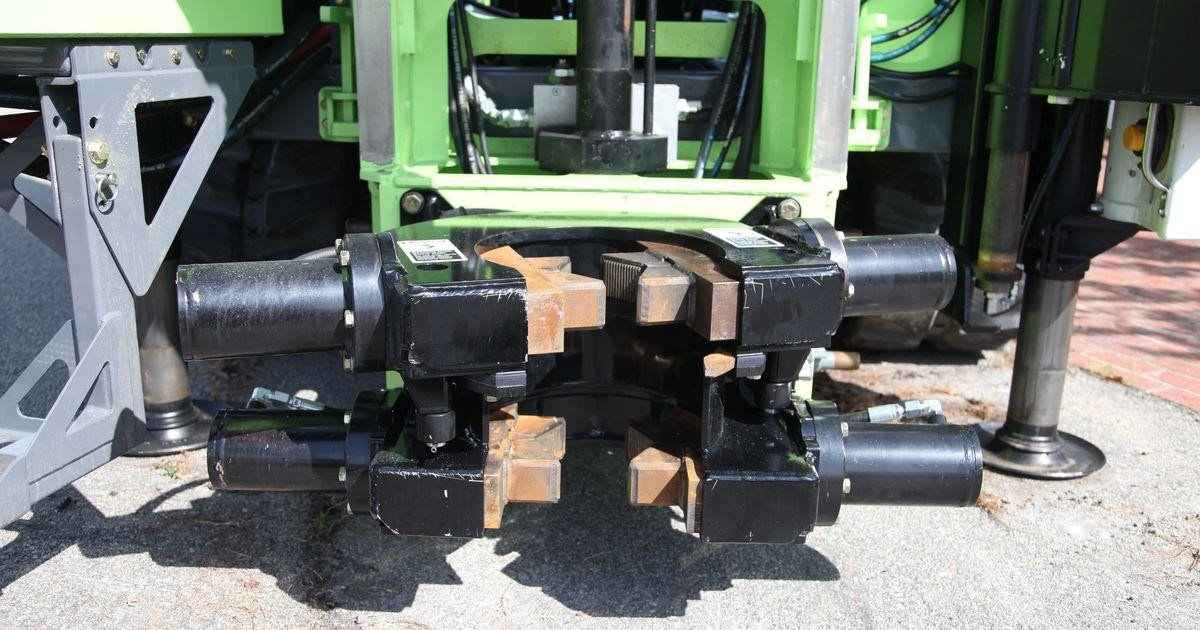
The process starts with a professional soil investigation crew setting up a drill rig at the marked borehole location. Once the hole reaches the target depth, the crew lowers a split spoon sampler attached to drill rods. A hammer, usually weighing 63.5 kilograms, is raised to a fixed height and dropped repeatedly to drive the sampler 450 millimeters into the ground.
Technicians record the blow count for each of three 150 millimeter intervals. The first interval is treated as a seating drive and set aside. The blows from the second and third intervals are added together to give the SPT N value at that depth. This process repeats at regular intervals down the borehole, often every 1.5 meters, so engineers get a full strength profile rather than a single reading. Every step follows a structured soil investigation process so results stay consistent from one borehole to the next.
Recovered soil samples are then logged, bagged, and sent for laboratory classification. Combined with data from land survey work supporting civil projects and results from an engineering lab in Dubai, this field record becomes part of the full geotechnical report submitted to the design team. Site supervision matters here, since equipment calibration and rod friction can affect blow counts if not properly controlled.
Understanding the SPT N Value and Blow Counts
The N value is the combined blow count from the second and third sampling intervals, and it directly indicates soil density, strength, and likely bearing capacity at that depth.
A low N value, often under 10, usually points to loose sand or soft clay that compresses easily under load. A high N value, above 30, generally indicates dense sand, stiff clay, or weathered rock capable of carrying heavy structural loads. Engineers use these numbers alongside correlations to estimate soil bearing capacity, settlement behavior, and even liquefaction risk in seismic assessments.
For high rise towers and heavy infrastructure common across Dubai, small differences in N value can change the entire foundation strategy. A site showing N values rising steadily with depth may suit shallow footings, while one with weak layers near the surface often needs piling. This is why plate load testing to verify soil bearing capacity is sometimes run alongside SPT for critical structures.
Laboratory analysis of the recovered samples adds further confidence to these numbers. Results from a geotechnical laboratory in the UAE confirm soil classification, moisture content, and grain size, all of which support the N value readings from the field. Together, this data helps prevent the kind of settlement problems covered in reports on how soil testing prevents foundation failures across the region.
SPT Compared With Other In Situ Tests: CPT and CBR
The cone penetration test and California bearing ratio test both measure soil behavior, but each serves a different purpose from the standard penetration test used for foundation design.
The cone penetration test, known as CPT, pushes a cone steadily into the ground while recording resistance continuously rather than in blow counts. It gives a smoother strength profile and works well in softer soils, but it does not recover physical samples the way SPT does. Many Dubai projects use both tests together, since SPT samples support laboratory classification while CPT adds continuous depth coverage.
The California bearing ratio test, or CBR, serves a different goal entirely. It measures how well a soil supports pavement and road layers rather than building foundations. Where SPT informs footing and pile design, CBR data feeds directly into road and pavement thickness calculations. Understanding material testing methods and how each test fits a project helps consulting engineers scope investigations correctly from the start.
Choosing between these methods, or combining them, depends on the structure type and ground conditions revealed early through a geophysical survey. Before committing to any single test programme, project owners should review the questions worth asking soil investigation companies to confirm the right combination of tests is planned for the site.
What to Expect From a UAE Accredited SPT Testing Lab
An accredited lab runs the SPT test to ASTM methodology, calibrates equipment regularly, and issues a documented report that consulting engineers and municipal reviewers can rely on with confidence.
Accreditation matters because it confirms a lab follows recognized procedures for sampling, hammer calibration, and reporting, the same principles explained in why ASTM standards matter. A properly accredited third party testing lab in the UAE provides independent results that developers, consultants, and authorities can trust without question.
Before work begins, an accredited construction testing lab in Dubai will confirm borehole locations, depths, and the number of tests required based on structure type and site size. Field crews use calibrated hammers, whether manual or automatic trip type, since hammer energy directly affects blow count accuracy. Reports typically include borehole logs, N value profiles, laboratory classification results, and engineering recommendations.
For specialized structures, additional speciality testing services may run alongside SPT to confirm findings. International recognition matters too, since compliance with ASTM International standards gives project stakeholders confidence that results will hold up under municipal review and third party audit.
Conclusion
An SPT test in Dubai gives engineers the field data needed to design safe, cost effective foundations from day one. From blow counts to N values, every stage of the process feeds directly into decisions about footing type, pile depth, and ground improvement. Whether the project is a single villa or a high rise tower, accurate field data keeps the whole design team confident in the ground beneath the site. Working with an experienced, accredited partner keeps results accurate and defensible. To plan your next geotechnical investigation, contact Terrasearch and speak with our testing team today.
Frequently Asked Questions
Q: What is an SPT test in Dubai used for?
A: An SPT test in Dubai measures soil strength and density at depth using hammer blow counts. Engineers use the resulting N value to design safe, cost effective foundations for buildings, bridges, and infrastructure projects across the UAE.
Q: How deep does an SPT test go?
A: Borehole depth depends on structure type and load. Light buildings may need boreholes around 10 to 15 meters, while high rise towers often require depths beyond 30 meters to confirm bearing strata below softer surface soils.
Q: What does a high SPT N value mean?
A: A high N value, generally above 30, indicates dense sand, stiff clay, or weathered rock. These conditions usually support heavier structural loads and may allow shallow foundations instead of costly deep piling systems.
Q: How long does an SPT investigation take?
A: Duration depends on borehole count and depth, but a typical site investigation with several boreholes takes about one to two weeks, including drilling, sampling, laboratory testing, and preparation of the geotechnical report.
Q: Is SPT testing required by UAE authorities?
A: Most municipal authorities across the UAE require documented geotechnical data, including SPT results, before approving building permits for new developments. An accredited construction materials testing partner ensures every submission meets local review standards without delay.
Q: Can SPT testing detect groundwater?
A: Yes. Boreholes drilled for SPT testing record groundwater depth as drilling progresses. This information is essential for dewatering design, waterproofing decisions, and assessing long term settlement risk for below grade structures.
Q: How does SPT support sustainable construction?
A: Accurate SPT data prevents over design and material waste by matching foundation size to actual soil strength. This supports sustainable construction practices across the UAE while keeping projects within budget and schedule.
Q: What happens after SPT samples are collected?
A: Samples move to a soil testing laboratory in Dubai for classification and moisture testing. Results are combined with field blow counts to produce the final geotechnical report used for design.
Q: Who should order an SPT test for a project?
A: Consulting engineers, contractors, and developers typically commission SPT testing during early project planning, often before concept design is finalized. Ordering it before finalizing structural drawings avoids redesign costs if soil conditions differ from initial assumptions.
Q: What equipment is used during an SPT test?
A: Crews use a drill rig, split spoon sampler, drill rods, and a standard hammer, most often 63.5 kilograms, dropped from 760 millimeters. Calibrated equipment ensures blow counts stay accurate and repeatable across every borehole on the project site.